
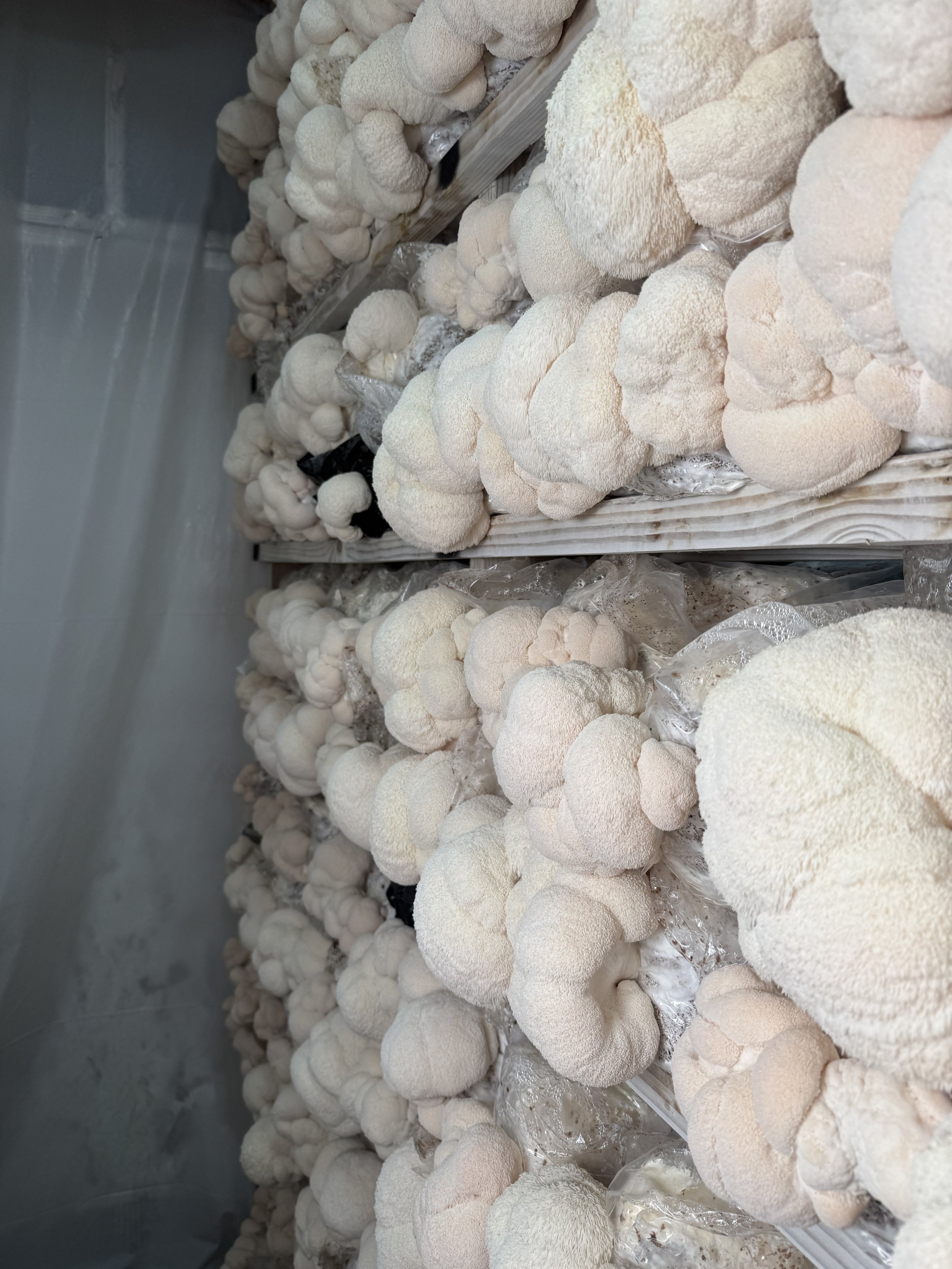
LIONS MANE
Flavor & Texture
Lion’s Mane is a beautiful, shaggy white mushroom with a mild, slightly sweet and savory flavor often compared to crab or lobster. When cooked, it develops a tender, meaty texture with crisp golden edges. Its delicate flavor makes it especially good at soaking up butter, garlic, herbs, and sauces.
How to Cook It
Lion’s Mane is incredibly versatile. Tear or slice it into pieces and sauté it in butter or olive oil until golden brown. It’s fantastic in pasta, tacos, stir-fries, soups, sandwiches, risotto, or simply served as a side dish. Its seafood-like texture also makes it popular for vegetarian “crab” cakes or as a meat substitute.
Nutrition & Health Benefits
Lion’s Mane (Hericium erinaceus) is particularly well known for its potential brain and nervous-system benefits. It contains naturally occurring compounds called hericenones and erinacines, which have been studied for their potential effects on nerve growth factor and neurological health. Research is exploring Lion’s Mane for possible benefits involving memory, cognition, mood and nerve health, although human research is still developing and it shouldn’t be presented as a treatment or cure.
Like many gourmet mushrooms, Lion’s Mane also provides fiber, protein, potassium and other micronutrients, while naturally being low in calories and fat. It also contains antioxidant and other bioactive compounds that are being studied for their potential anti-inflammatory and immune-supporting properties.
What Makes It Special
Unlike the traditional cap-and-stem mushroom, Lion’s Mane grows in striking white clusters covered in soft cascading “teeth,” giving it its distinctive lion’s-mane appearance. It’s considered both a gourmet culinary mushroom and a functional mushroom, making it one of the most interesting varieties to introduce to customers who have never tried specialty mushrooms.
Storage Tip: Keep fresh Lion’s Mane refrigerated in a breathable paper bag or container and avoid sealing it tightly in plastic, where excess moisture can cause it to deteriorate more quickly.
Our favorite simple preparation: Slice into thick “steaks,” cook in a dry skillet for a few minutes to release some moisture, then add butter, garlic, salt and pepper and cook until beautifully golden on both sides
YELLOW/GOLDEN OYSTER
Flavor & Texture
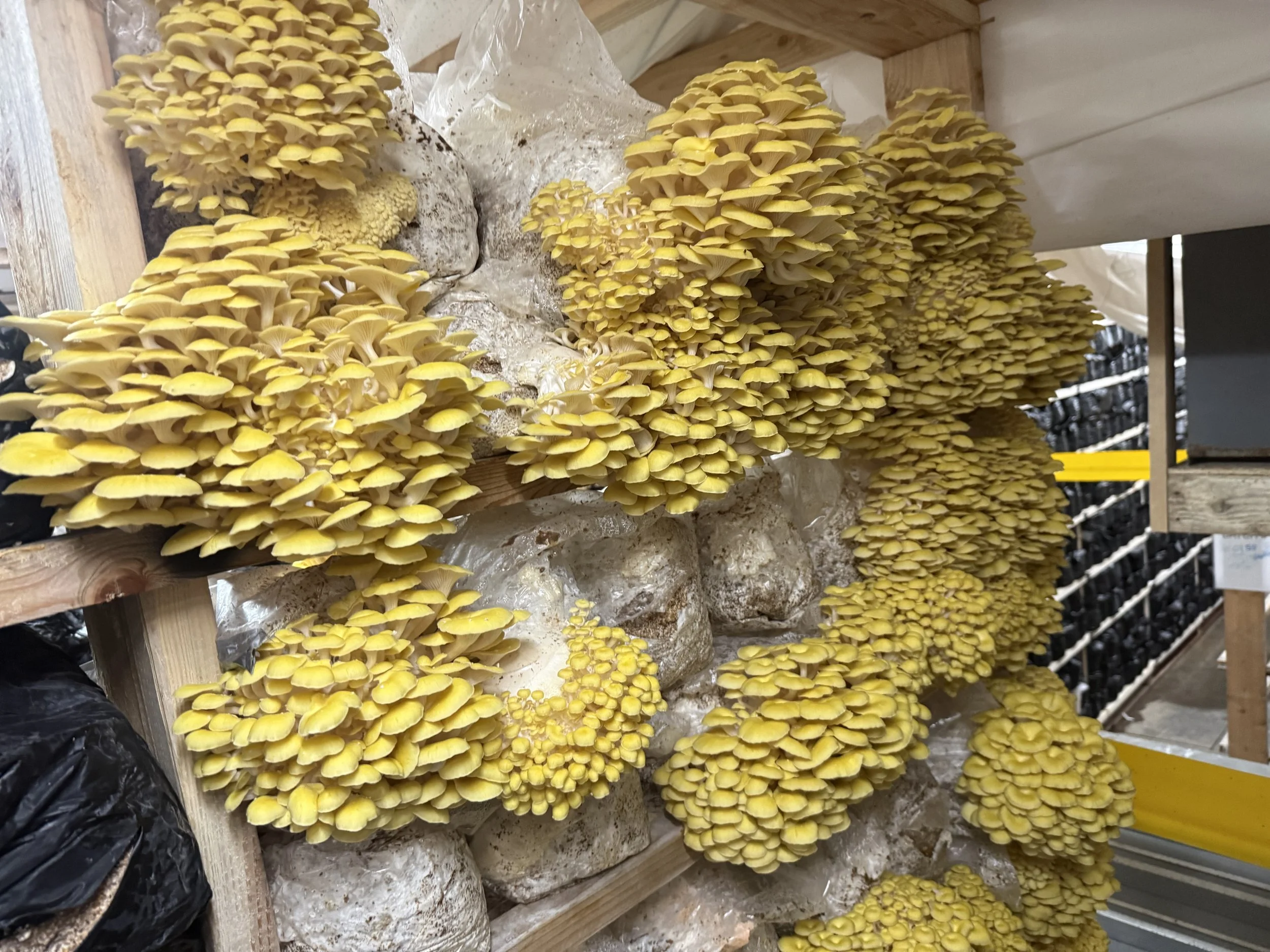
Yellow Oyster mushrooms, also known as Golden Oysters (Pleurotus citrinopileatus), are one of the most eye-catching gourmet mushrooms, with brilliant golden-yellow caps that grow in beautiful clusters. They have a delicate, mildly nutty and slightly sweet flavor with a tender texture. When sautéed, the edges become wonderfully crisp and golden.
How to Cook Them
Yellow Oysters are best cooked rather than eaten raw. Simply tear the cluster into individual mushrooms and sauté them in butter or olive oil over medium-high heat until the edges begin to brown and crisp.
They’re delicious in pasta, risotto, stir-fries, eggs, pizza, soups, tacos and grain bowls, or simply sautéed with butter, garlic, salt and fresh herbs. Because their flavor is delicate, simple preparations really allow the mushroom to shine.
Nutrition & Health Benefits
Like other oyster mushrooms, Yellow Oysters are naturally low in calories and fat while providing fiber, protein and important vitamins and minerals. Oyster mushrooms are particularly notable for containing B vitamins, potassium and antioxidant compounds.
They also contain beta-glucans, naturally occurring mushroom polysaccharides that are being studied for their role in supporting normal immune function and overall health. Oyster mushrooms also contain compounds being researched for their potential antioxidant, anti-inflammatory and cholesterol-supporting properties, although they shouldn’t be considered a treatment for any medical condition.
What Makes Them Special
Their spectacular sunny yellow color makes Yellow Oysters one of the most visually impressive mushrooms available. The color is brightest when fresh and will soften somewhat during cooking, but their delicate flavor and texture remain.
They’re an easy way to turn an everyday meal into something that looks and tastes restaurant-worthy.
Storage Tip: Keep Yellow Oyster mushrooms refrigerated and breathable, ideally in a paper bag or loosely covered container. They are a particularly delicate variety, so for the best flavor and texture, enjoy them as fresh as possible.
Our favorite simple preparation: Tear into individual mushrooms, sauté in a hot pan with butter until the edges are golden and slightly crispy, then finish with flaky salt, cracked pepper and a squeeze of fresh lemon.
PINK OYSTER
Flavor & Texture
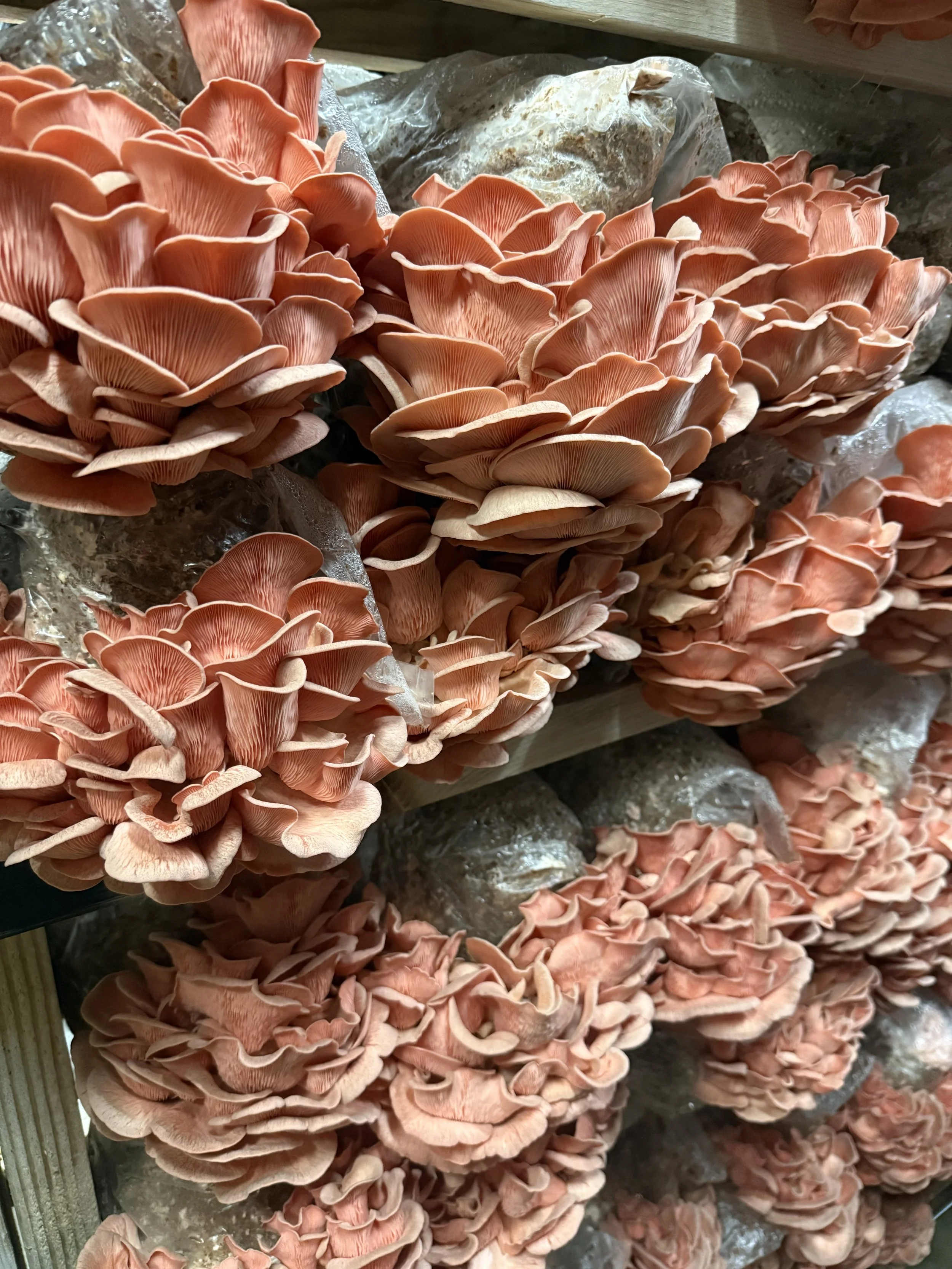
Pink Oyster mushrooms (Pleurotus djamor) are one of the most striking gourmet mushrooms, known for their vibrant pink color and beautiful ruffled clusters. They have a savory, slightly earthy flavor with a subtle richness that becomes deeper when cooked.
Their texture is tender yet pleasantly meaty, and when sautéed or roasted at higher heat, the edges become deliciously crisp. Their flavor is sometimes compared to bacon or ham when well browned, making them especially fun for plant-forward dishes.
How to Cook Them
Pink Oysters are best enjoyed cooked rather than raw. Their flavor and texture improve dramatically with heat.
Simply tear the clusters into individual mushrooms or larger pieces and sauté them in butter or olive oil until golden and crispy. They’re excellent in tacos, pasta, pizza, eggs, stir-fries, sandwiches, grain bowls and soups.
Because of their meaty texture, Pink Oysters are also fantastic as a plant-based meat substitute. Try roasting or pan-frying them until crispy for tacos, sandwiches or breakfast dishes.
Nutrition & Health Benefits
Pink Oyster mushrooms are naturally low in calories and fat while providing fiber, protein and a variety of vitamins, minerals and beneficial mushroom compounds.
Like other oyster mushrooms, they contain beta-glucans, naturally occurring fibers that have been studied for their potential role in supporting normal immune function and overall health.
Oyster mushrooms also contain naturally occurring antioxidant compounds, and researchers are studying them for potential anti-inflammatory, metabolic and heart-health benefits. These areas of research are promising but still developing, so Pink Oysters are best viewed as a nutritious whole food rather than a treatment for any medical condition.
What Makes Them Special
Their incredible coral-to-hot-pink coloring makes Pink Oysters an instant showstopper. They grow in dramatic clusters of overlapping, fan-shaped caps and are one of the most colorful mushrooms you'll find.
Interestingly, much of that brilliant pink color fades during cooking, changing to shades of peach, tan and golden brown. What they lose in color, however, they make up for in their rich, savory flavor.
Pink Oysters also love warm growing conditions, making them a particularly interesting variety among cultivated oyster mushrooms.
Storage Tip: Pink Oysters are more delicate and perishable than many other mushroom varieties, so they're best enjoyed as fresh as possible. Keep them refrigerated in a breathable container or paper bag and avoid trapping excess moisture in sealed plastic.
Our Favorite Simple Preparation
Tear the mushrooms into pieces and place them in a hot skillet with a little olive oil. Let them develop some color before stirring, then add butter, garlic, salt and cracked pepper. Continue cooking until the edges are deeply golden and crispy.
For an extra-savory version, cook them until very crisp and browned and use them anywhere you'd normally want a smoky, bacon-like addition.
BLUE/GRAY OYSTER
Flavor & Texture
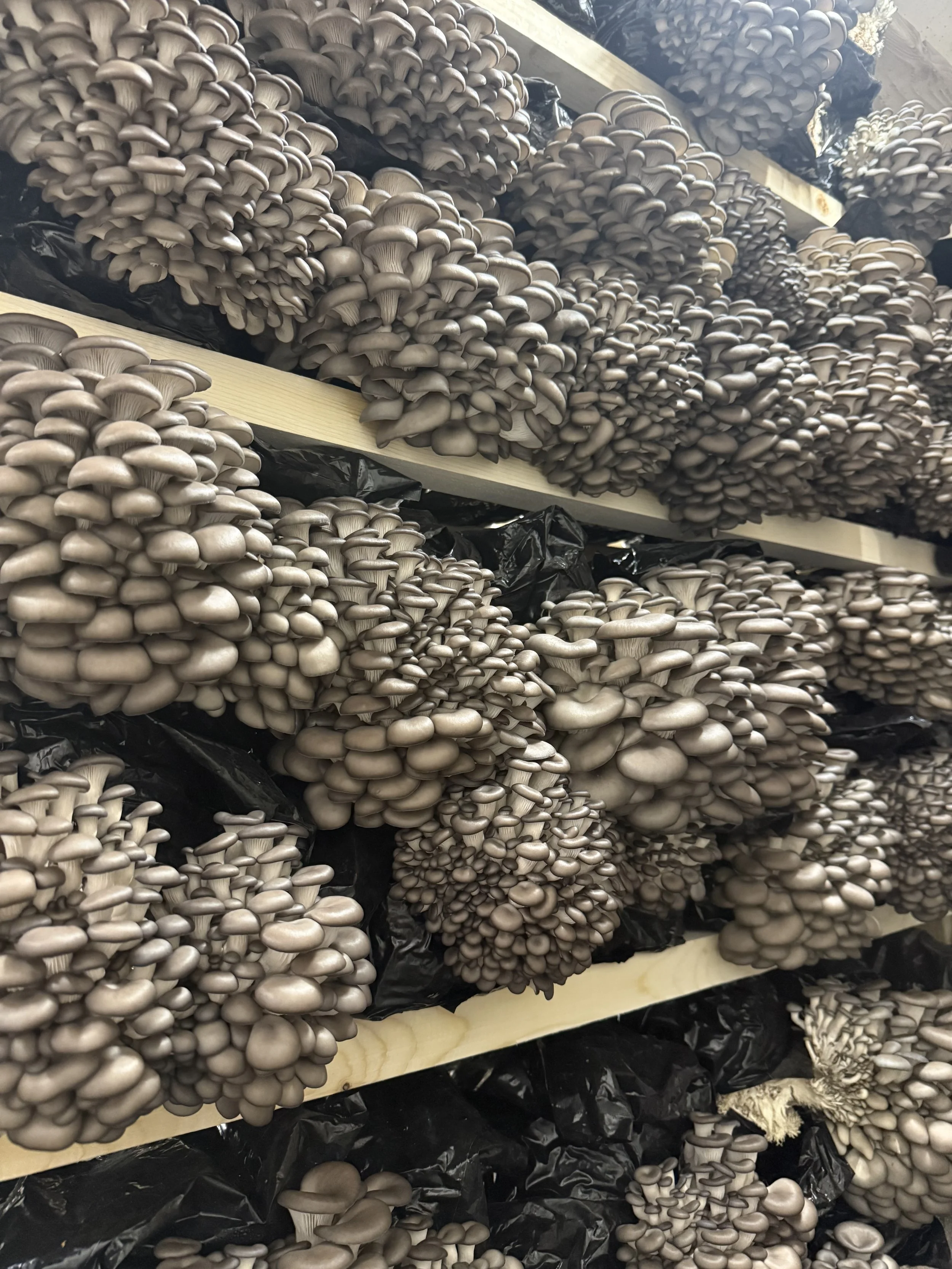
Blue/Grey Oyster mushrooms (Pleurotus ostreatus) are a beautiful gourmet mushroom known for their soft blue-grey caps, delicate gills and rich, savory flavor. When cooked, they develop a wonderful meaty, velvety texture with crisp edges and a mild, earthy flavor with subtle nutty notes.
Their flavor is approachable enough for someone new to specialty mushrooms while still being a favorite among chefs.
How to Cook Them
Blue/Grey Oysters are extremely versatile and can be used almost anywhere you would use a traditional mushroom. Their substantial texture also makes them an excellent meat substitute in many dishes.
They’re fantastic sautéed, roasted, grilled or fried, and work beautifully in pasta, risotto, stir-fries, soups, pizzas, tacos, omelets, sandwiches and sauces.
For a simple preparation, tear the mushrooms into pieces and sauté them in a hot skillet with butter or olive oil, garlic, salt and pepper until the edges become golden and slightly crispy.
Nutrition & Health Benefits
Blue/Grey Oyster mushrooms are naturally low in calories and fat while providing fiber, protein and a variety of vitamins and minerals. Oyster mushrooms are a source of B vitamins, potassium and naturally occurring antioxidant compounds.
They also contain beta-glucans, naturally occurring fibers found in mushrooms that have been studied for their potential role in supporting healthy immune function.
Oyster mushrooms also contain compounds being researched for potential antioxidant, anti-inflammatory and heart-health benefits, including their possible role in supporting healthy cholesterol levels. Research is ongoing, so these mushrooms are best enjoyed as a nutritious part of a balanced diet rather than considered a treatment for any condition.
What Makes Them Special
Blue/Grey Oysters grow in gorgeous cascading clusters with broad, overlapping caps ranging from blue-grey and slate to soft grey-brown as they mature.
They’re one of the most versatile gourmet mushrooms because their savory flavor and substantial texture work beautifully in everything from simple breakfast dishes to restaurant-style entrées.
They also absorb the flavors they're cooked with exceptionally well, making them perfect for garlic, butter, fresh herbs, wine, cream sauces and marinades.
Storage Tip: Keep fresh Blue/Grey Oyster mushrooms refrigerated in a breathable container or paper bag. Avoid tightly sealed plastic, which can trap moisture. For the best texture and flavor, use them while they're fresh and firm.
Our favorite simple preparation: Tear the cluster into large pieces and sauté in a hot skillet until the mushrooms begin to brown. Add butter, minced garlic, salt and pepper and continue cooking until the edges are deeply golden and crispy. Finish with fresh thyme or parsley.
PIOPPINO
Flavor & Texture
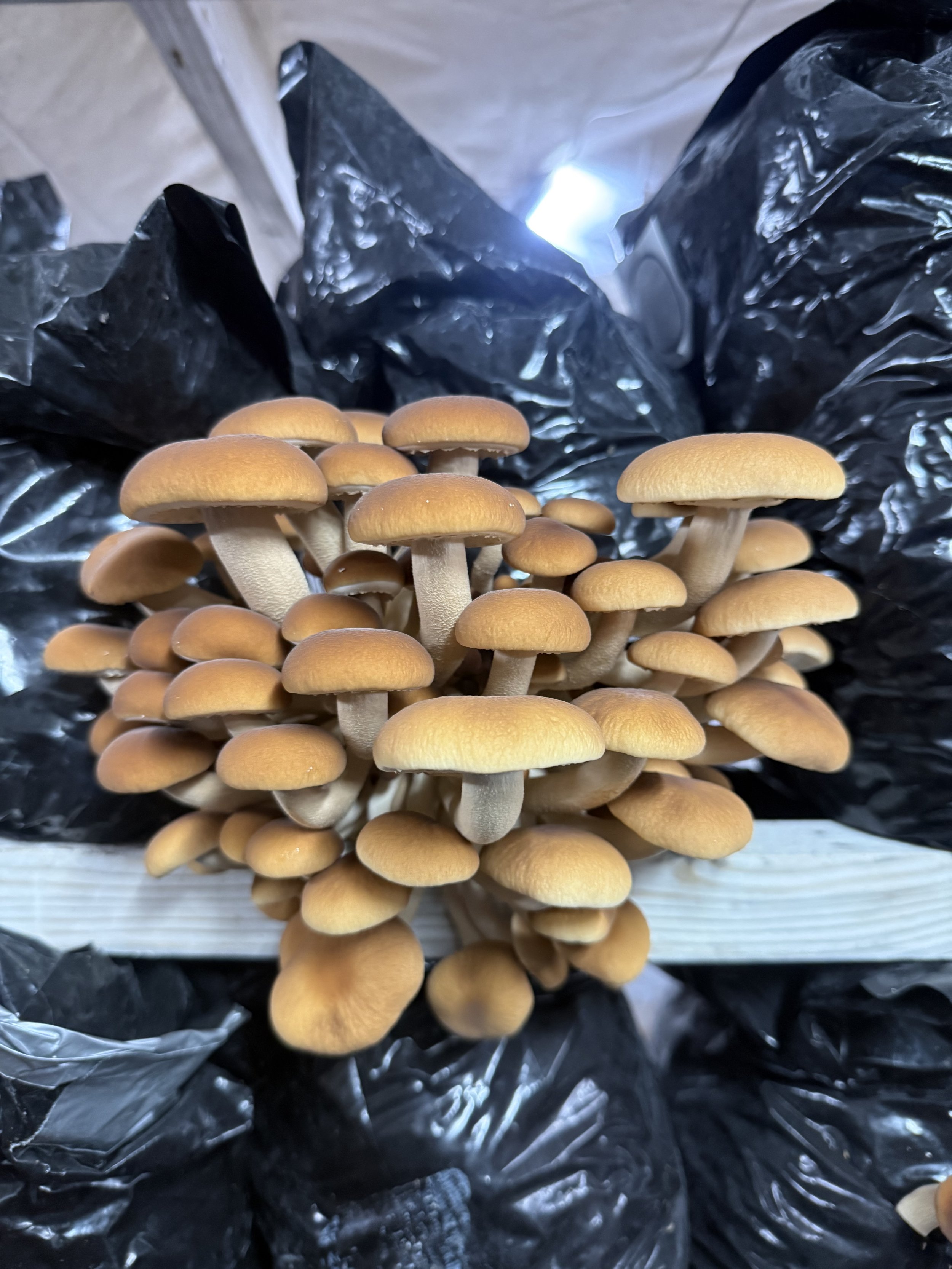
Pioppino mushrooms (Cyclocybe aegerita), sometimes called Black Poplar mushrooms, are an elegant gourmet variety with velvety brown caps and slender cream-colored stems. They have a rich, earthy and slightly nutty flavor with a subtle sweetness and wonderful savory depth.
Their texture is one of their best qualities—the caps become tender and silky, while the stems maintain a pleasant, slightly firm bite when cooked.
How to Cook Them
Pioppinos are best enjoyed cooked and are incredibly versatile. Both the caps and stems are edible, making the entire mushroom usable.
They’re especially delicious sautéed with butter or olive oil, garlic and fresh herbs. Try them in pasta, risotto, soups, stir-fries, ramen, eggs, pizza, sauces or alongside steak, chicken and seafood.
Pioppinos are particularly popular in Italian cooking, where their earthy flavor pairs beautifully with pasta, polenta, risotto, cream sauces and fresh herbs.
Nutrition & Health Benefits
Pioppino mushrooms are naturally low in calories and fat while providing fiber, protein and a variety of vitamins, minerals and naturally occurring bioactive compounds.
They contain beta-glucans and antioxidant compounds, which are being researched for their potential roles in supporting normal immune function, protecting cells from oxidative stress and supporting overall health.
As with other specialty mushrooms, research into Pioppino's specific health effects is still developing, so they're best enjoyed as a delicious and nutritious whole food rather than viewed as a treatment for any medical condition.
What Makes Them Special
Pioppinos have been prized in Italian and Mediterranean cuisine for their distinctive flavor and beautiful appearance. Their small brown caps and long stems add an upscale, restaurant-quality look to almost any dish.
Unlike mushrooms that become very soft during cooking, Pioppinos maintain a satisfying texture, making them particularly good for dishes where you want the mushrooms to remain recognizable and substantial.
Their combination of earthy flavor, firm texture and beautiful presentation makes them a favorite among chefs.
Storage Tip: Keep fresh Pioppino mushrooms refrigerated in a breathable container or paper bag. Avoid tightly sealed plastic, which can trap moisture and shorten their shelf life.
Our Favorite Simple Preparation
Keep smaller Pioppinos whole and separate larger clusters as needed. Sauté in a hot skillet with olive oil until lightly browned, then add butter, garlic, salt, cracked pepper and fresh thyme. Finish with a splash of white wine or a little Parmesan for an incredible restaurant-style side dish.
CHESTNUT
Flavor & Texture
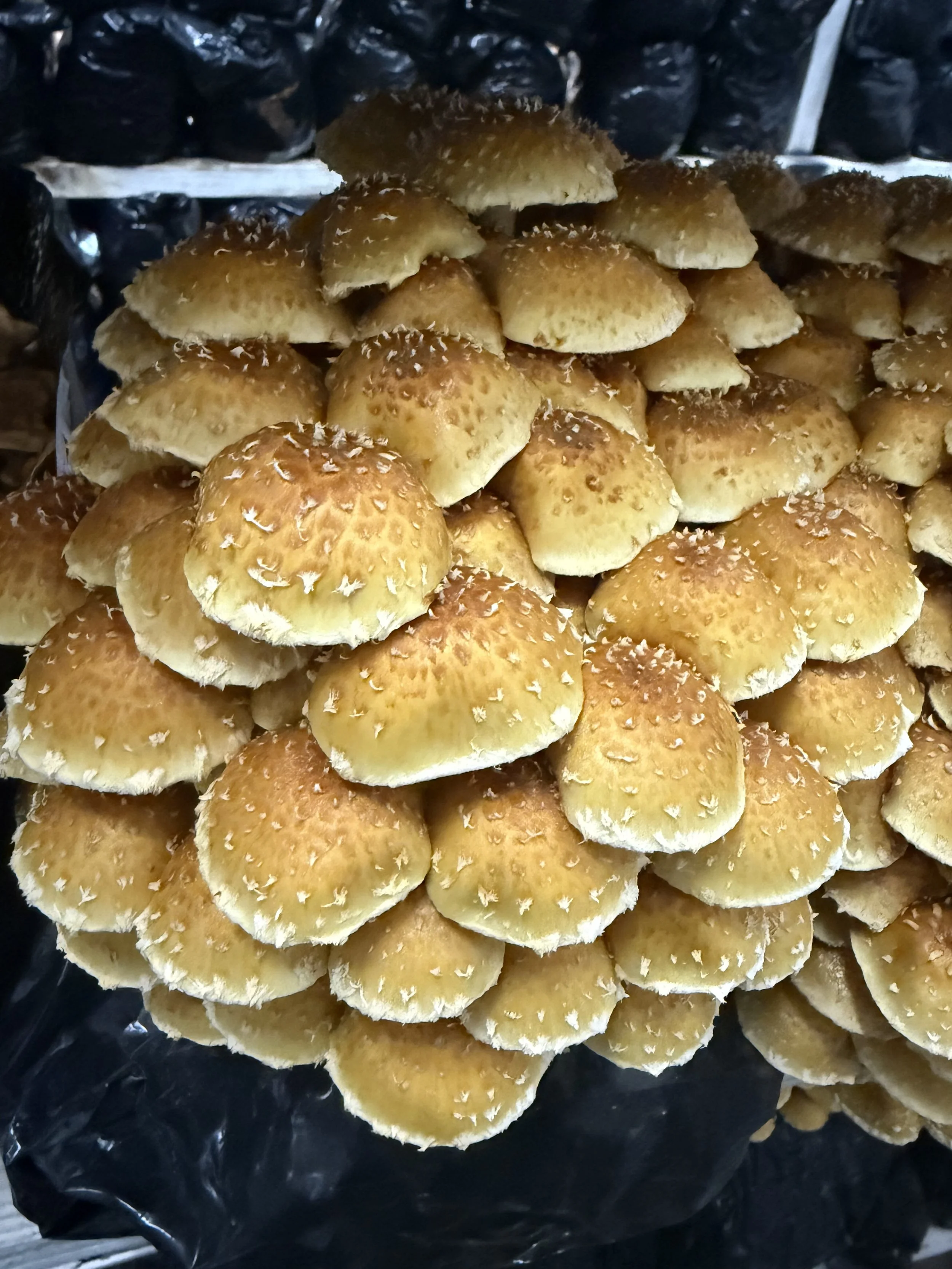
Chestnut mushrooms (Pholiota adiposa) are beautiful gourmet mushrooms with warm golden-brown caps, delicate scales and long, slender stems. They have a wonderfully rich, nutty and slightly earthy flavor that becomes deeper and more savory when cooked.
One of their best features is their texture. Chestnuts stay pleasantly firm with a slight crunch or “snap” even after cooking, giving them a completely different eating experience from softer mushrooms.
How to Cook Them
Chestnut mushrooms are extremely versatile and are best enjoyed fully cooked. Both the caps and stems are edible, so there’s very little waste.
They’re fantastic sautéed in butter or olive oil with garlic and herbs, but they also work beautifully in pasta, risotto, soups, stir-fries, ramen, eggs, grain bowls, sauces and alongside steak or chicken.
Because they hold their texture so well, Chestnuts are especially good in dishes where you want the mushrooms to remain substantial rather than becoming soft.
Nutrition & Health Benefits
Chestnut mushrooms provide fiber, protein, vitamins, minerals and naturally occurring antioxidant compoundswhile being naturally low in calories and fat.
Like many mushrooms, they contain beta-glucans and other bioactive compounds that researchers are studying for their potential roles in immune function, antioxidant activity and overall health.
Mushrooms can be a nutritious addition to a balanced diet, although research into many of the specific medicinal properties of individual gourmet mushroom species is still developing.
What Makes Them Special
Chestnuts are a favorite among chefs because you can use the entire mushroom from cap to stem, and their firm texture holds up exceptionally well during cooking.
Their clusters are also gorgeous, with golden to chestnut-brown caps covered in tiny decorative scales. They have an almost woodland appearance that makes them stand out from more familiar grocery-store mushrooms.
For customers who love mushrooms with lots of flavor and texture, Chestnuts are definitely one to try.
Storage Tip: Keep Chestnut mushrooms refrigerated in a breathable container or paper bag. Avoid tightly sealed plastic that can trap excess moisture. For the best flavor and texture, enjoy them while they're fresh and firm.
Our Favorite Simple Preparation
Leave smaller mushrooms whole and cut larger ones in half. Sauté in a hot skillet with a little olive oil until they begin to brown, then add butter, garlic, salt, pepper and fresh thyme. Cook until beautifully golden while allowing them to retain their signature firm bite.